
Affiliate disclosure: Modern Ergonomic may earn a commission from qualifying purchases through Amazon links in this article. Product availability, pricing, reviews, and seller details can change quickly, so use the Amazon buttons to confirm the current listing before buying.
A vertical mouse sounds like the obvious fix for wrist pain: rotate the hand, reduce the twist, feel better. Sometimes that works. Sometimes the mouse arrives, looks ergonomic, and your wrist still complains.
That does not always mean the vertical mouse is bad. It may mean the mouse is the only part of the desk you changed.

Reddit signal
- Recent Reddit questions around vertical mice often include “why does this still hurt?” rather than just “which one should I buy?”
- The recurring issues are hand size, grip style, desk height, keyboard position, and whether the user is still reaching too far for the mouse.
- This is a strong long-tail ad angle: “vertical mouse still hurts,” “vertical mouse wrist pain,” and “best vertical mouse for small hands.”
“I bought a vertical mouse last week but now my hand just hurts in a different way.”
Reason 1: The Mouse Does Not Fit Your Hand
Vertical mice are more size-sensitive than regular mice. If the mouse is too large, you may have to grip harder or reach farther for the buttons. If it is too small, your hand may feel cramped. A comfortable vertical mouse should let your hand rest on it without forcing a claw grip.
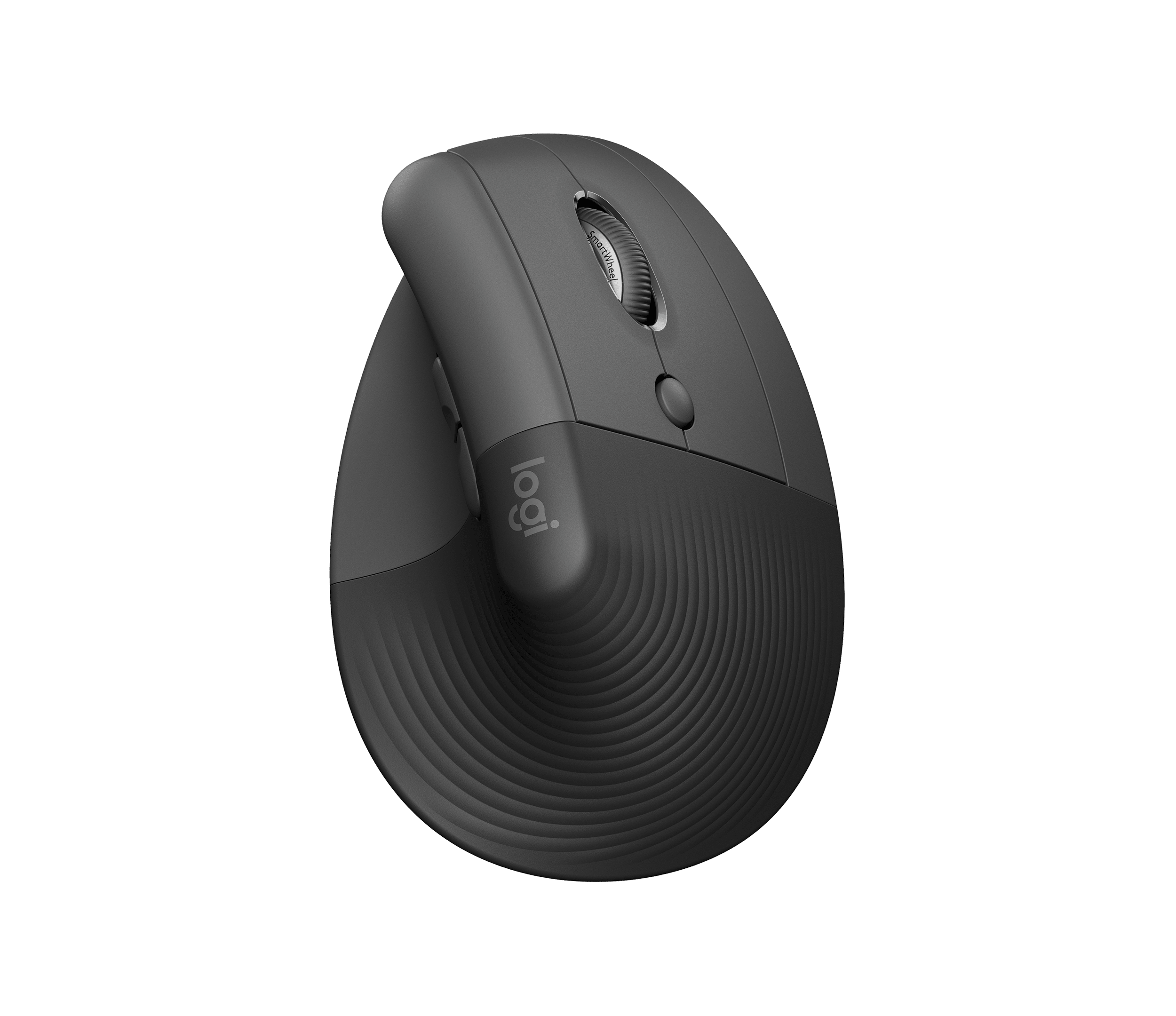
Product placement: Logitech Lift Vertical Ergonomic Mouse
A good first vertical mouse for small to medium hands because it is compact, quiet, and less intimidating than larger vertical models.
Reason 2: Your Desk Height Is Still Wrong
If the desk is too high, a vertical mouse can still make you shrug your shoulder. If the desk is too low, you may still collapse into the surface. The mouse angle matters, but so does where your arm lands.
Your elbow should stay near your side, your shoulder should feel relaxed, and your wrist should not bend upward just to reach the mouse. If the mouse is far away, bring it closer before blaming the product.
Reason 3: Your Keyboard Is Fighting the Mouse
A wide keyboard with a number pad can push the mouse farther to the right. That extra reach may matter more than the mouse shape. If you use a full-size keyboard and your mouse hand always lives outside shoulder width, a compact keyboard can sometimes be a bigger ergonomic improvement than another mouse.
Reason 4: The Wrist Rest Is the Wrong Height
A wrist rest can help soften the desk edge, but it can also lift the wrist into an awkward angle. Use it as a rest during pauses, not as a platform you press into while moving the mouse.
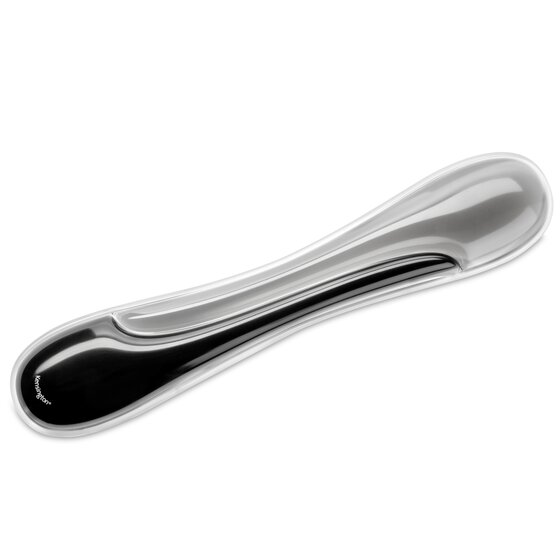
Product placement: Kensington Duo Gel Keyboard Wrist Rest
A useful desk-edge softener for some keyboard setups, especially if the height matches your keyboard.
Reason 5: You Changed Too Much Too Fast
A vertical mouse changes muscle use. That can feel strange for a few days even when the setup is good. The danger is pushing through pain because the product is labeled ergonomic. New does not automatically mean better for your body.
Before returning a vertical mouse
- Move the mouse closer to your keyboard.
- Lower or raise the desk so your shoulder can relax.
- Check whether the mouse fits your hand size.
- Try shorter sessions instead of switching all day at once.
- Stop if pain is increasing or turning into numbness/tingling.
The Bottom Line
A vertical mouse is not a cure. It is a tool that works best when the rest of the setup lets your arm relax. Start with fit, distance, desk height, and keyboard width. Then decide whether the mouse is helping.
Note: This article is shopping guidance, not medical advice. Wrist pain, numbness, tingling, or persistent symptoms deserve a qualified clinician, not just another accessory.