Category: Modern Ergonomics

  • Your Chair Is Quietly Shaping Your Day

    Your Chair Is Quietly Shaping Your Day

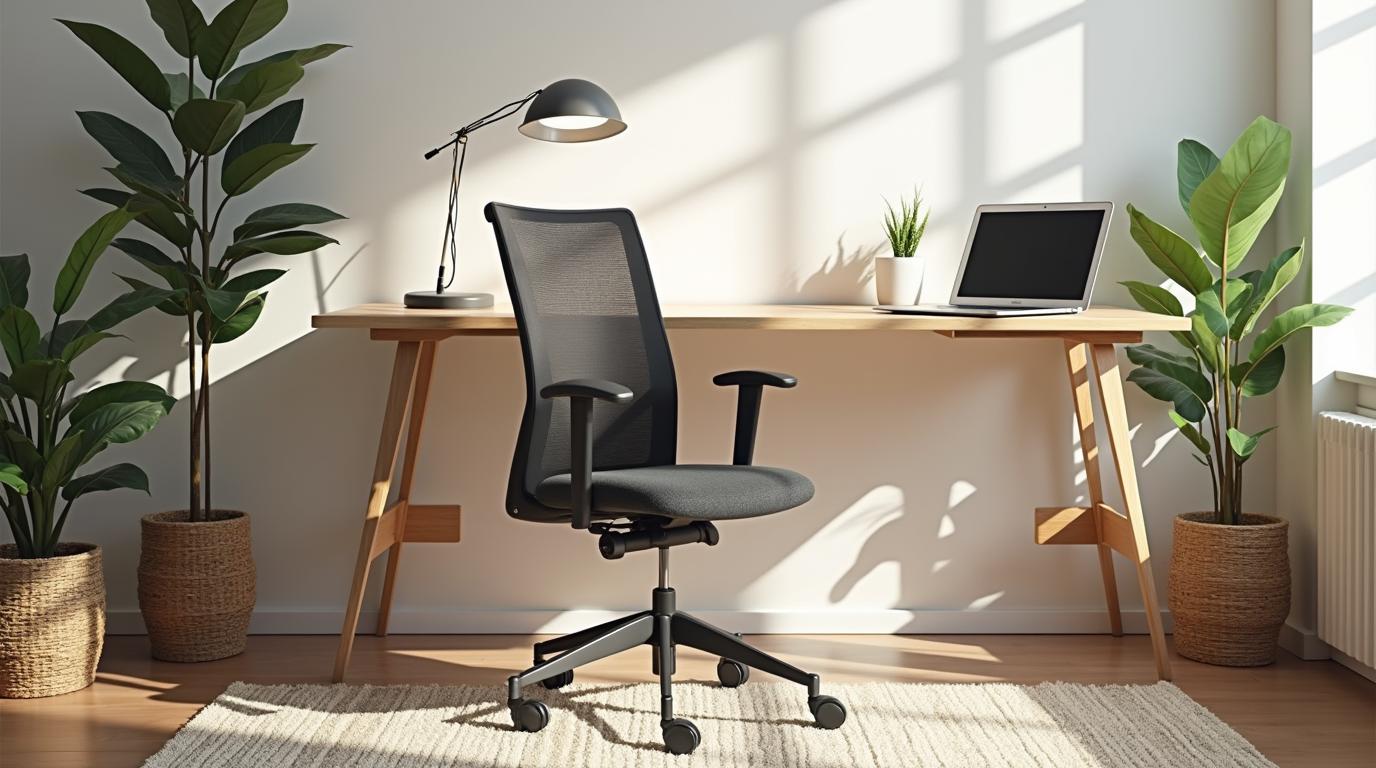
    Most people notice a bad chair only when it starts hurting. The sharper truth is that a chair can shape your day long before pain announces itself. It can change how often you shift, how deeply you breathe, how quickly you lose focus, and how much energy you have left when the work is technically finished.

    A modern ergonomic chair is not supposed to force you into one perfect pose. That idea is outdated. The body does not want to be locked into a diagram. It wants support, movement, and enough adjustability that your desk stops arguing with your spine. The best chair quietly makes good posture easier while still letting you move like a person.

    The small drain you stop noticing

    Discomfort is expensive because it is repetitive. A chair that is too deep makes you perch at the edge. A seat that is too low asks your hips and knees to fold awkwardly. Armrests that sit too high raise your shoulders for hours. None of these problems needs to feel dramatic in the moment. Together, they create a background tax on attention.

    That tax shows up as fidgeting, shallow concentration, neck tightness, and the oddly specific feeling of being tired while not having done anything physically demanding. This is why the right chair can feel less like a purchase and more like a release. It removes friction you had already normalized.

    Support should follow the work

    Your chair should serve different modes: deep focus, video calls, casual reading, quick notes, and moments when you lean back to think. Look for adjustable lumbar support, seat height that lets your feet rest flat, enough seat depth for thigh support without pressure behind the knees, and armrests that support relaxed shoulders rather than lifted ones.

    Materials matter too. Breathable mesh can be excellent for long hours. Cushioned seats can feel warmer and more residential. A headrest may be useful if you recline often, but unnecessary if you mostly sit upright. Modern ergonomics is not about buying the chair with the longest feature list. It is about matching the chair to your actual habits.

    The real goal is less awareness

    The best ergonomic upgrade often becomes invisible. You stop thinking about your lower back. You stop rolling your shoulders every ten minutes. You stop negotiating with your furniture. That invisibility is the point.

    If you are building a better workspace, begin with the object that touches you the most. A good chair will not fix every work problem, but it can give your body one less fight to manage. That is a practical kind of luxury: comfort that turns into attention.

  • The Desk Setup That Stops Fighting You

    The Desk Setup That Stops Fighting You

    A workspace can look beautiful and still be physically annoying. The laptop is too low. The mouse is just far enough away to pull your shoulder forward. The monitor stand looks good in photos but places the screen at the wrong height. The desk is tidy, yet the body knows something is off.

    The best modern desk setup is not staged for a photo. It is arranged around repeated movement. Every item you touch dozens or hundreds of times a day should earn its position. When the basics are right, the setup feels calm because it stops demanding compensation.

    Start with the screen

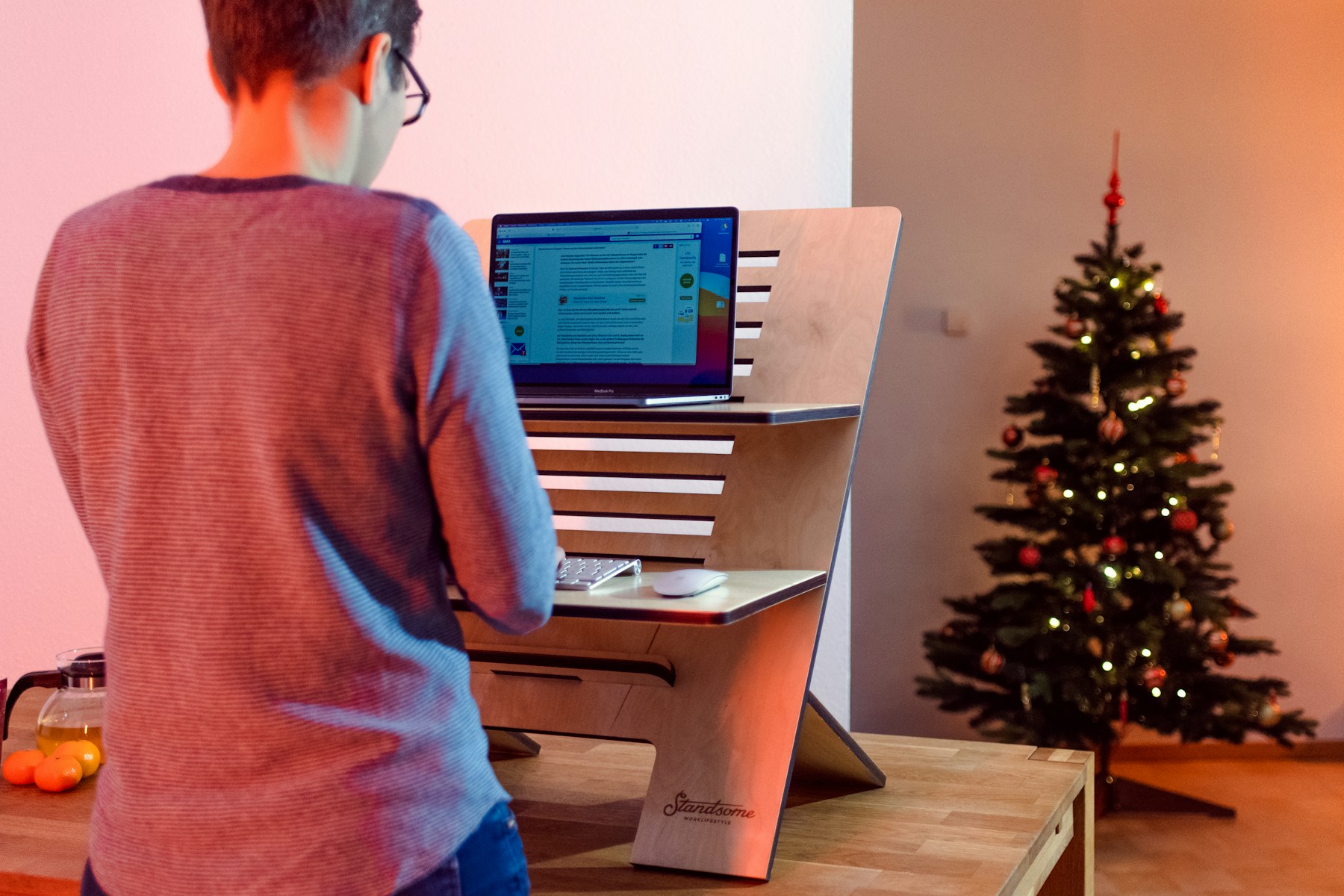
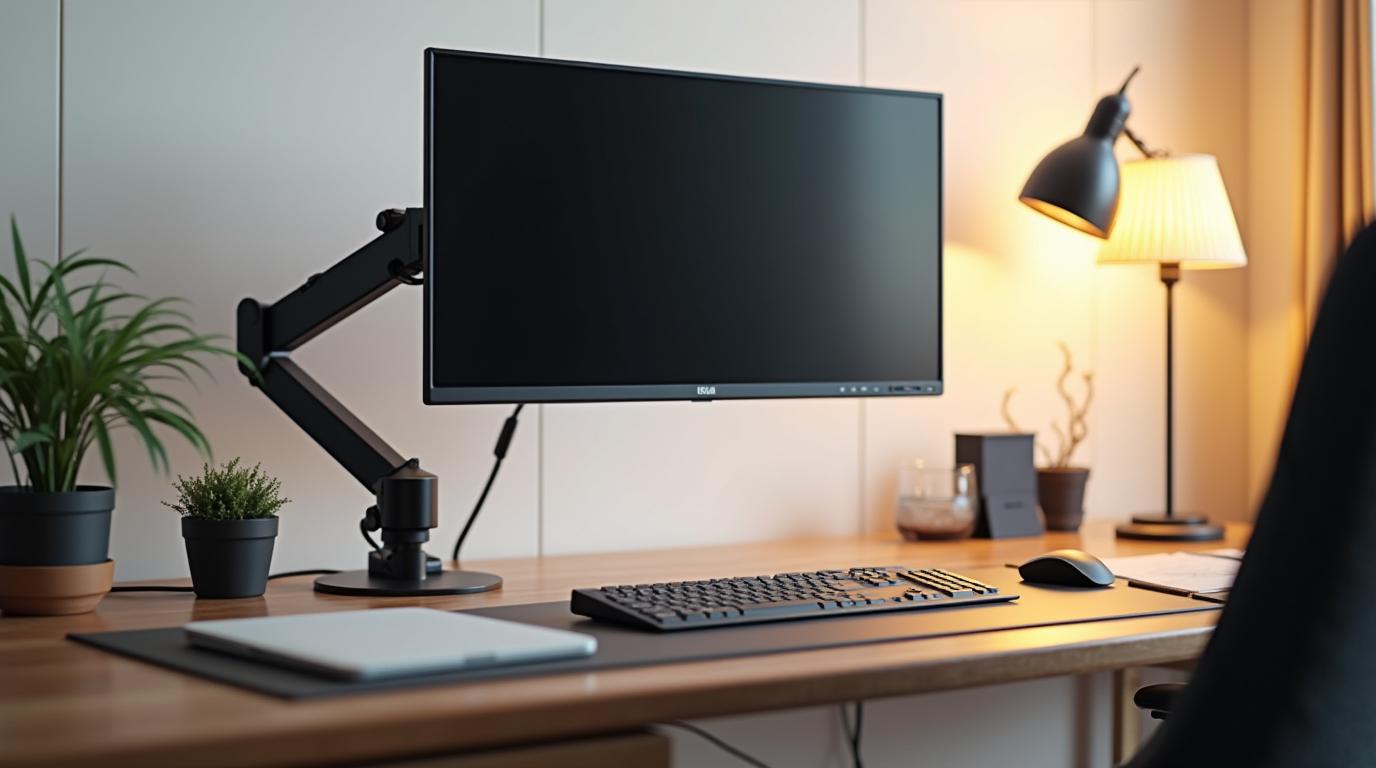
    Your eyes should meet the upper third of your main display without the neck folding down or craning up. For laptop users, this usually means adding a stand and using a separate keyboard and mouse. That one change can transform the entire posture of the day because it separates viewing from typing.

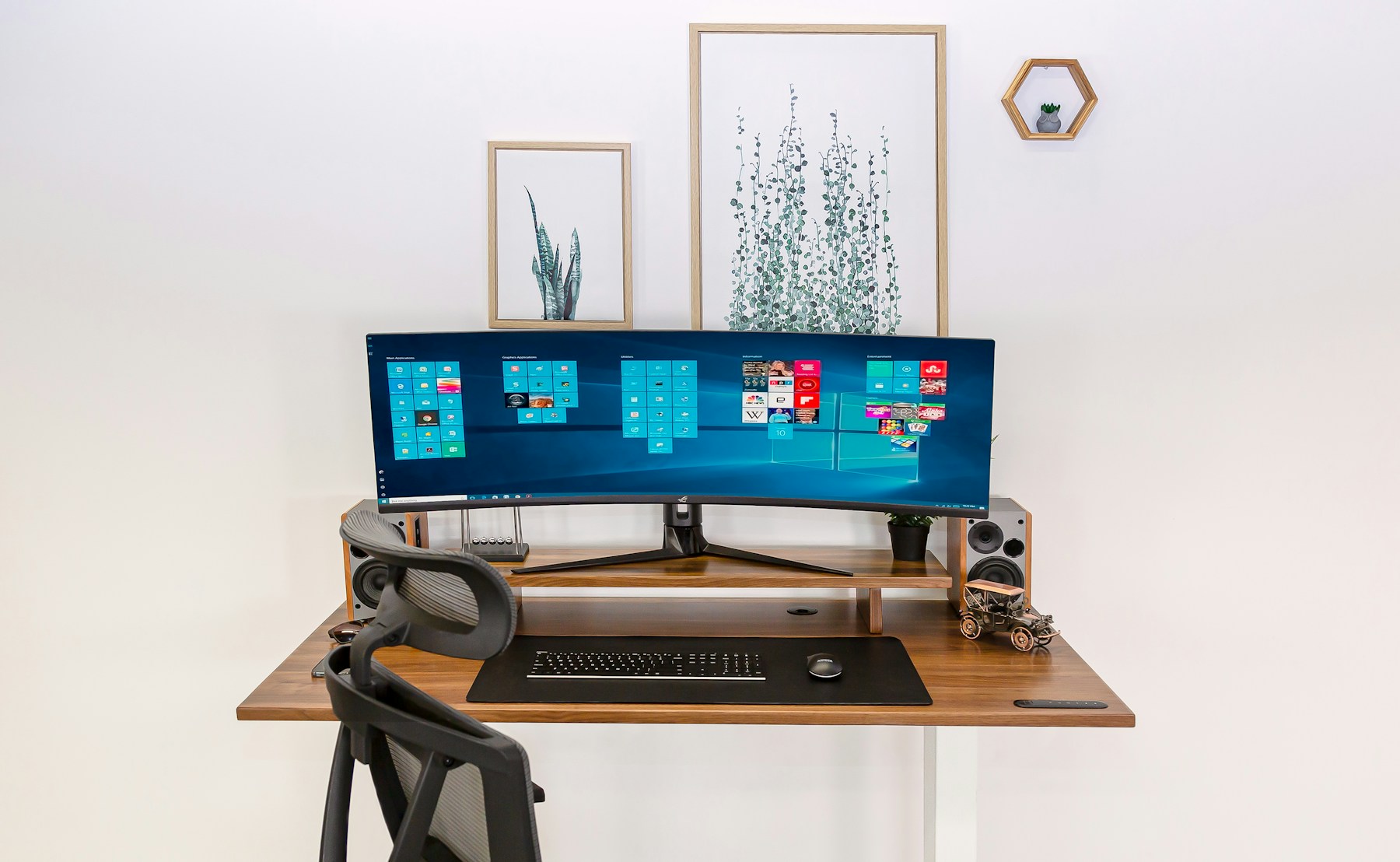
    If you use multiple monitors, place the primary screen directly in front of you. Side monitors are useful, but the main work should not require a permanent neck turn. A monitor arm can be one of the highest-value upgrades because it makes height, depth, and angle adjustable without clutter.

    Bring tools closer

    Keyboard and mouse placement should let your elbows stay close to your body and your shoulders relax. If you are reaching forward, the desk is taking more from you than it should. Compact keyboards, trackballs, vertical mice, and split keyboards can all be useful depending on your body and work style.

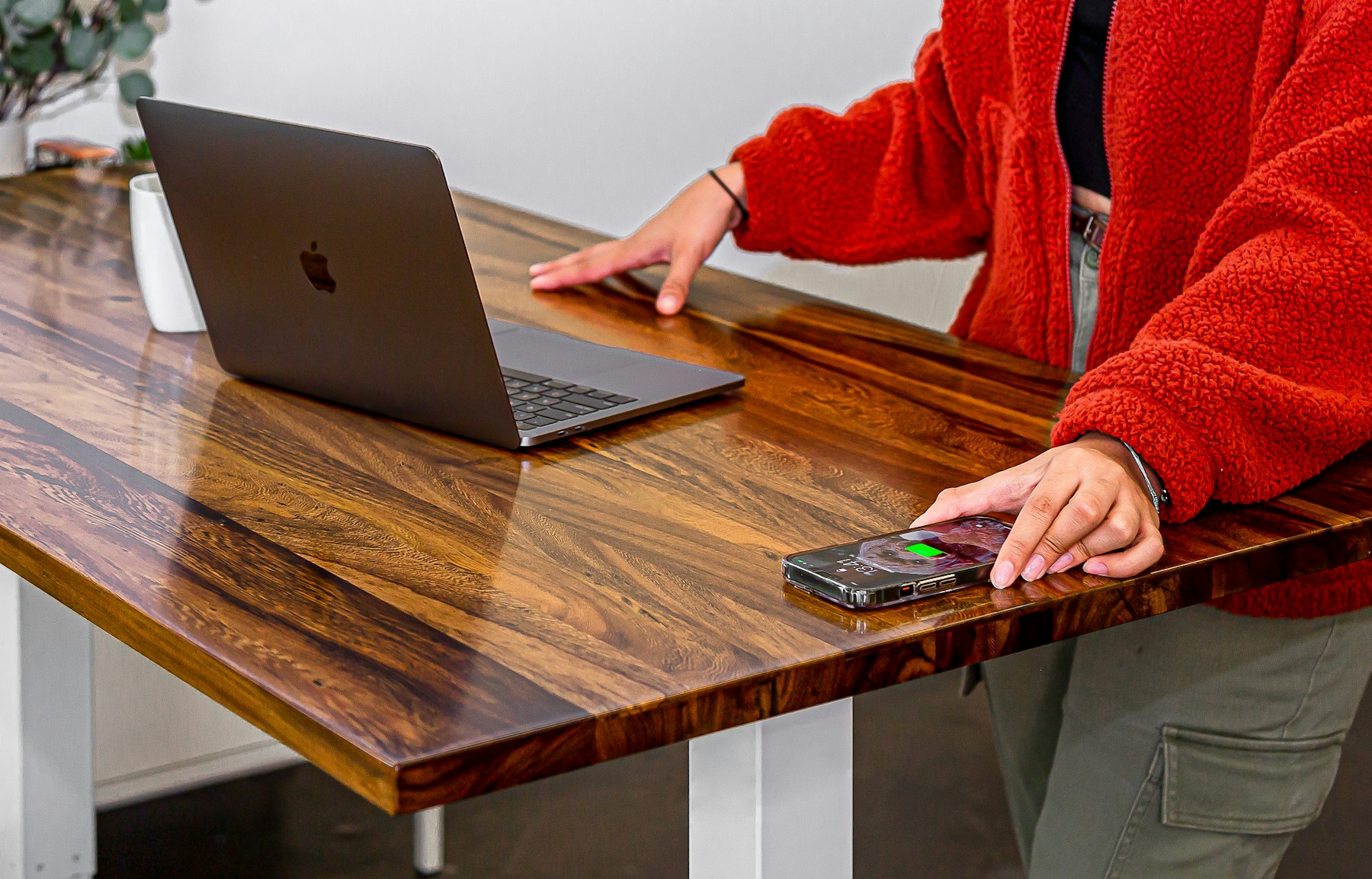
    Do not underestimate the surface itself. A desk that is too high pushes the shoulders up. A desk that is too low rounds the back. If the desk cannot change, adjust the chair and add a footrest. Ergonomics is often a chain reaction: fix one height and the next problem becomes obvious.

    Design for resets

    A good setup should invite movement. Leave room to push the keyboard away and read. Keep a water bottle within reach. Use a small standing mat if you have a sit-stand desk. Put the things you need often close by and the things you rarely use out of the primary zone.

    The goal is not a perfect desk. It is a desk that supports the work without constantly pulling your body into awkward choices. When your setup stops fighting you, focus has a smoother place to land.

  • Ergonomics Got Better When It Stopped Looking Like a Cubicle

    Ergonomics Got Better When It Stopped Looking Like a Cubicle

    For a long time, ergonomic products had a certain look: bulky, gray, technical, and vaguely medical. They promised support, but they rarely promised delight. You could have comfort or you could have a beautiful room, and many people quietly chose the room.

    That tradeoff is fading. The modern ergonomic category is becoming more interesting because it respects both the body and the eye. Chairs look less like equipment. Desk accessories are slimmer and smarter. Standing desks feel more like furniture. Lighting, monitor arms, footrests, and keyboards are being designed for actual homes, not only office procurement catalogs.

    Comfort no longer has to announce itself

    The best new ergonomic pieces often disappear into a space. A monitor arm clears the desk while improving screen height. A compact keyboard reduces shoulder reach without turning the desk into a command center. A footrest can look like a small object of furniture rather than a plastic afterthought.

    This matters because people keep using things they enjoy living with. A product that technically supports you but feels ugly or awkward may eventually get shoved aside. A product that fits your space has a better chance of becoming part of the daily rhythm.

    Modern means adaptable

    Modern ergonomics is less about one correct answer and more about adjustability. Bodies vary. Work changes. A setup that feels right in the morning may need to shift by late afternoon. The strongest products create options: height changes, tilt, reach, resistance, modular positions, and easy transitions between sitting and standing.

    That adaptability is especially important now that many workspaces are hybrid. The same desk may support paid work, side projects, reading, gaming, school, and bills. Ergonomic design has to be flexible enough for real life.

    The future is warmer

    The most exciting ergonomic products are not trying to make us into office machines. They are trying to make work feel less extractive. Better lighting reduces strain. Better seating lowers the background tension. Better accessories make movement easier and repetition gentler.

    That is the promise of modern ergonomics: products that care about performance without forgetting comfort, beauty, and daily use. It is not about turning your home into an office. It is about making the places where you work feel more humane.

  • The Ergonomic Home Office Should Feel Like a Room, Not a Workstation

    The Ergonomic Home Office Should Feel Like a Room, Not a Workstation

    The home office has a strange job. It has to support serious work, but it also lives inside your home. If it feels too much like an office, it can drain the room. If it feels too much like decor, it may fail your body. The best ergonomic home office sits between those worlds.

    Comfort is not only physical. A setup that looks chaotic can make work feel heavier before it begins. A setup that is beautiful but uncomfortable becomes a daily compromise. The goal is a room that supports focus without making your home feel invaded by work.

    Choose furniture with a second life

    Modern ergonomic furniture is finally becoming more residential. Chairs come in softer profiles. Desks are available in wood tones, clean laminates, and quieter frames. Storage can hide cables and accessories without turning the space into a filing cabinet.

    When possible, choose pieces that make sense after work ends. A chair should not look like it belongs only in a conference room. A desk should feel intentional in the room. A monitor arm, cable tray, and compact accessories can help the workspace disappear visually when the laptop closes.

    Light changes everything

    Lighting is one of the most underrated ergonomic categories. Poor light pushes you toward the screen, increases eye strain, and makes the room feel flat. Use natural light carefully, avoiding glare. Add a task light that lets you brighten paper or keyboard areas without blasting the whole room. Consider warmer ambient light late in the day.

    Good lighting supports both the eyes and the mood of the room. It makes the workspace feel cared for, which can make work feel less harsh.

    Design the end of the day

    A home office should have a way to close. That might mean a drawer for the keyboard, a tray for notebooks, a cable system that keeps the surface clear, or a ritual of lowering the standing desk and turning off the task light. These details matter because your home should not keep shouting work at you.

    An ergonomic home office is not a showroom. It is a room that lets you work well and return to yourself afterward. The best setup supports both parts.