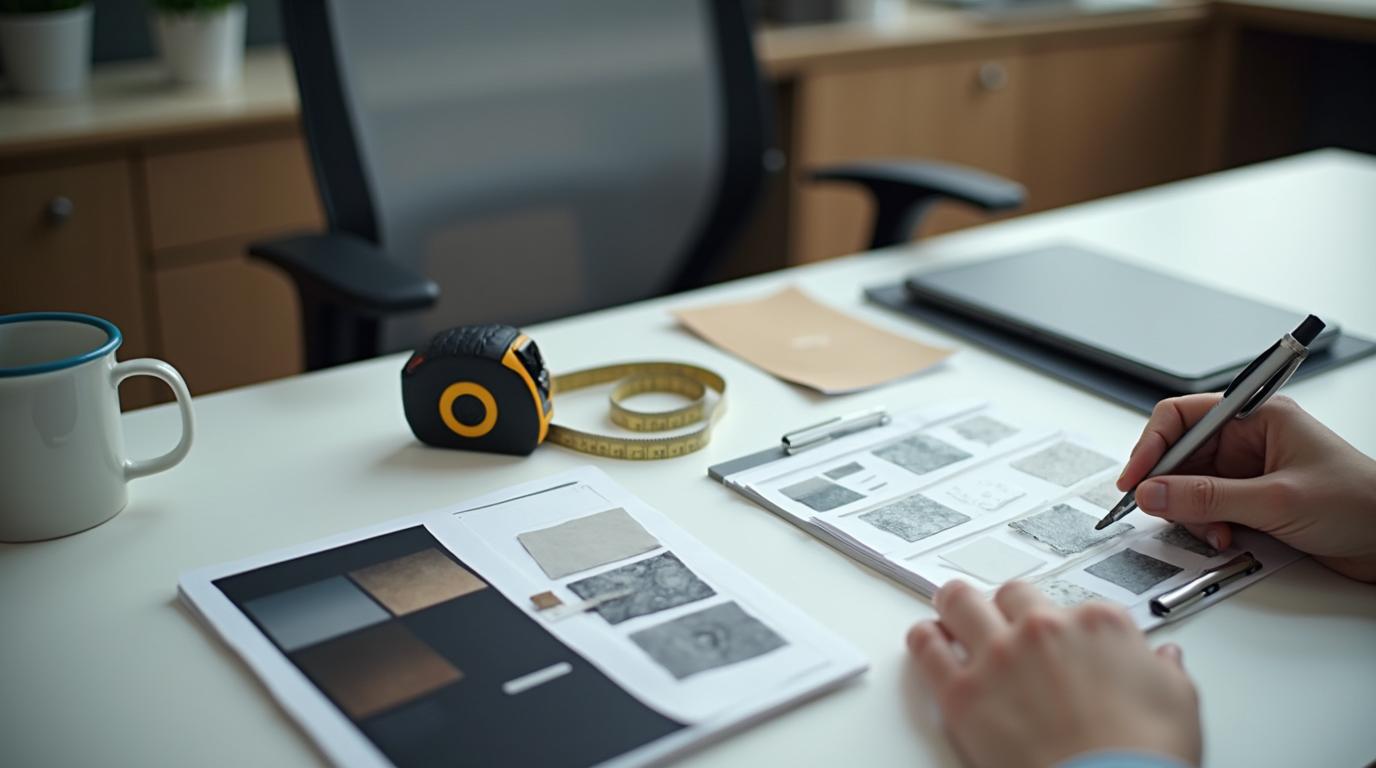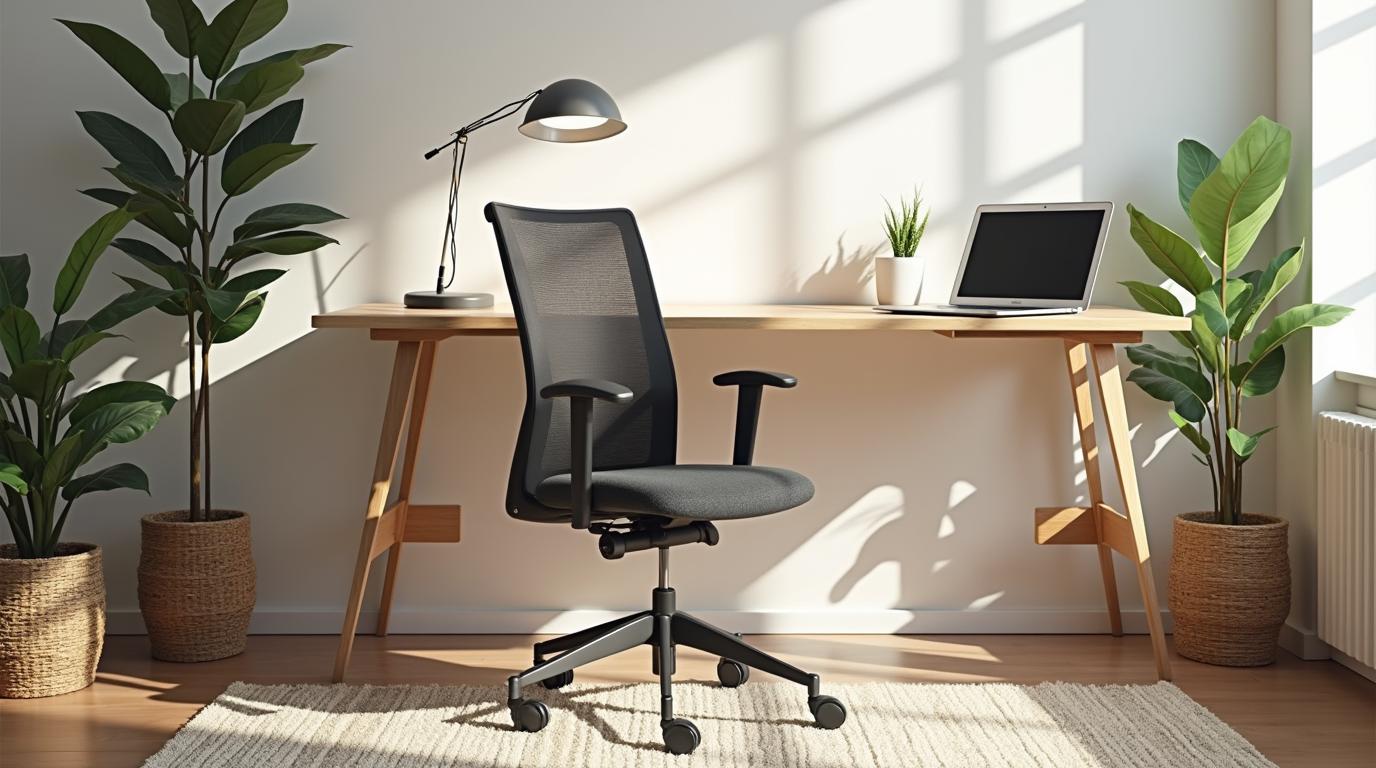
For a long time, ergonomic products had a certain look: bulky, gray, technical, and vaguely medical. They promised support, but they rarely promised delight. You could have comfort or you could have a beautiful room, and many people quietly chose the room.
That tradeoff is fading. The modern ergonomic category is becoming more interesting because it respects both the body and the eye. Chairs look less like equipment. Desk accessories are slimmer and smarter. Standing desks feel more like furniture. Lighting, monitor arms, footrests, and keyboards are being designed for actual homes, not only office procurement catalogs.
Comfort no longer has to announce itself
The best new ergonomic pieces often disappear into a space. A monitor arm clears the desk while improving screen height. A compact keyboard reduces shoulder reach without turning the desk into a command center. A footrest can look like a small object of furniture rather than a plastic afterthought.
This matters because people keep using things they enjoy living with. A product that technically supports you but feels ugly or awkward may eventually get shoved aside. A product that fits your space has a better chance of becoming part of the daily rhythm.
Modern means adaptable
Modern ergonomics is less about one correct answer and more about adjustability. Bodies vary. Work changes. A setup that feels right in the morning may need to shift by late afternoon. The strongest products create options: height changes, tilt, reach, resistance, modular positions, and easy transitions between sitting and standing.
That adaptability is especially important now that many workspaces are hybrid. The same desk may support paid work, side projects, reading, gaming, school, and bills. Ergonomic design has to be flexible enough for real life.
The future is warmer
The most exciting ergonomic products are not trying to make us into office machines. They are trying to make work feel less extractive. Better lighting reduces strain. Better seating lowers the background tension. Better accessories make movement easier and repetition gentler.
That is the promise of modern ergonomics: products that care about performance without forgetting comfort, beauty, and daily use. It is not about turning your home into an office. It is about making the places where you work feel more humane.