Neck pain at a desk can feel mysterious because nothing dramatic happens. You sit down, answer messages, look at a screen, and a few hours later the base of your skull feels tight. The cause is usually not one terrible movement. It is a collection of small positions repeated long enough to become a problem.
The most common culprit is screen height. Laptops are convenient because the screen and keyboard travel together, but that convenience creates a design conflict. If the keyboard is low enough for comfortable typing, the screen is usually too low for comfortable viewing. If the screen is high enough, the keyboard is too high. The neck often pays the difference.
Forward head posture is a setup problem
When the screen sits too low or too far away, the head drifts forward. That position increases demand on the muscles that support the neck and upper back. Add a few hours, a little stress, and a phone check every few minutes, and the strain becomes predictable.
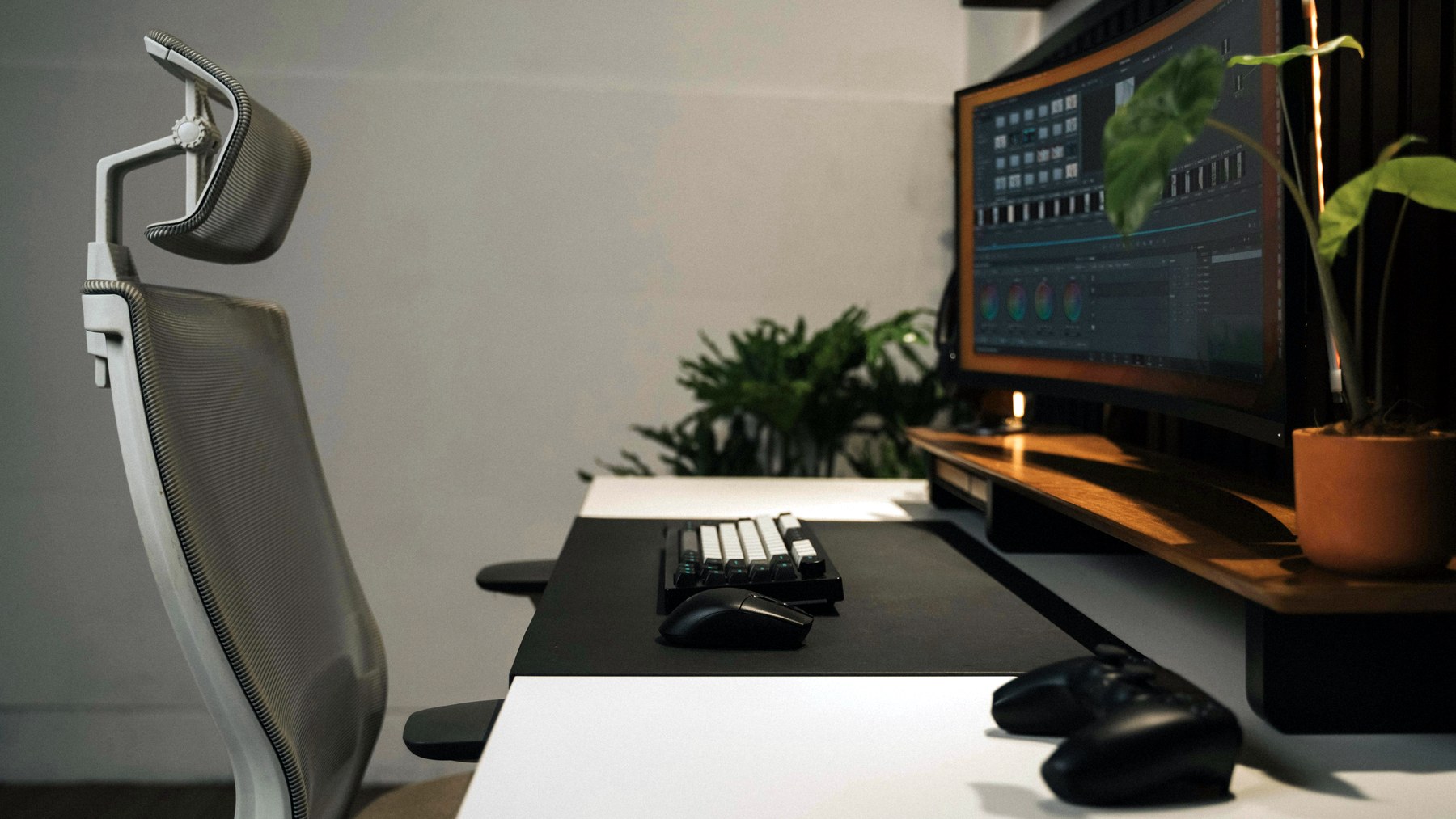
The fix starts with bringing the screen to eye level. A laptop stand plus an external keyboard and mouse can make a bigger difference than many expensive accessories. For desktop monitors, a monitor arm or sturdy riser can help place the display at the right height and distance.
Shoulders tell the same story
Neck pain often travels with shoulder tension. If your keyboard is too far away, your arms reach. If your mouse is too high, your shoulder lifts. If your chair lacks support, your upper back rounds and your head follows. These small changes stack.
Try arranging your keyboard and mouse so your elbows stay near your sides. Keep wrists neutral and shoulders easy. If the desk height is wrong, adjust chair height and support your feet. The neck rarely improves if the rest of the setup keeps asking for strain.
Build in relief before pain arrives
Do not wait for the afternoon ache to remind you to move. Schedule tiny resets: stand, look across the room, roll the shoulders, gently tuck the chin, and change position. A good setup reduces strain, but movement keeps the system alive.
Neck pain is information. It is your body describing the workspace in physical terms. Listen early, adjust the tools, and the day can feel less like something you have to recover from.